Dongfeng Honda S7 Full Review — Range, Ride Quality, Space, Specs & Buying Guide
Vehicle Highlights — Long Range, Ride Quality & Space Efficiency
-
Long-Range Capability With Low Range Anxiety: The S7 offers up to 650 km CLTC range, supported by an 89.8 kWh battery pack and consistent energy-consumption performance. This gives the model outstanding range reliability among electric SUVs in the same price segment, making it well-suited for families who need both daily commuting capability and medium-to-long-distance travel.
-
Refined Chassis Tuning & Excellent NVH Performance: Equipped with a front double-wishbone and rear five-link suspension, 50:50 weight distribution, and ADS adaptive damping, the S7 delivers mature performance in comfort, stability, and high-speed refinement. Overall ride quality reflects a clear advantage typical of established joint-venture brands.
-
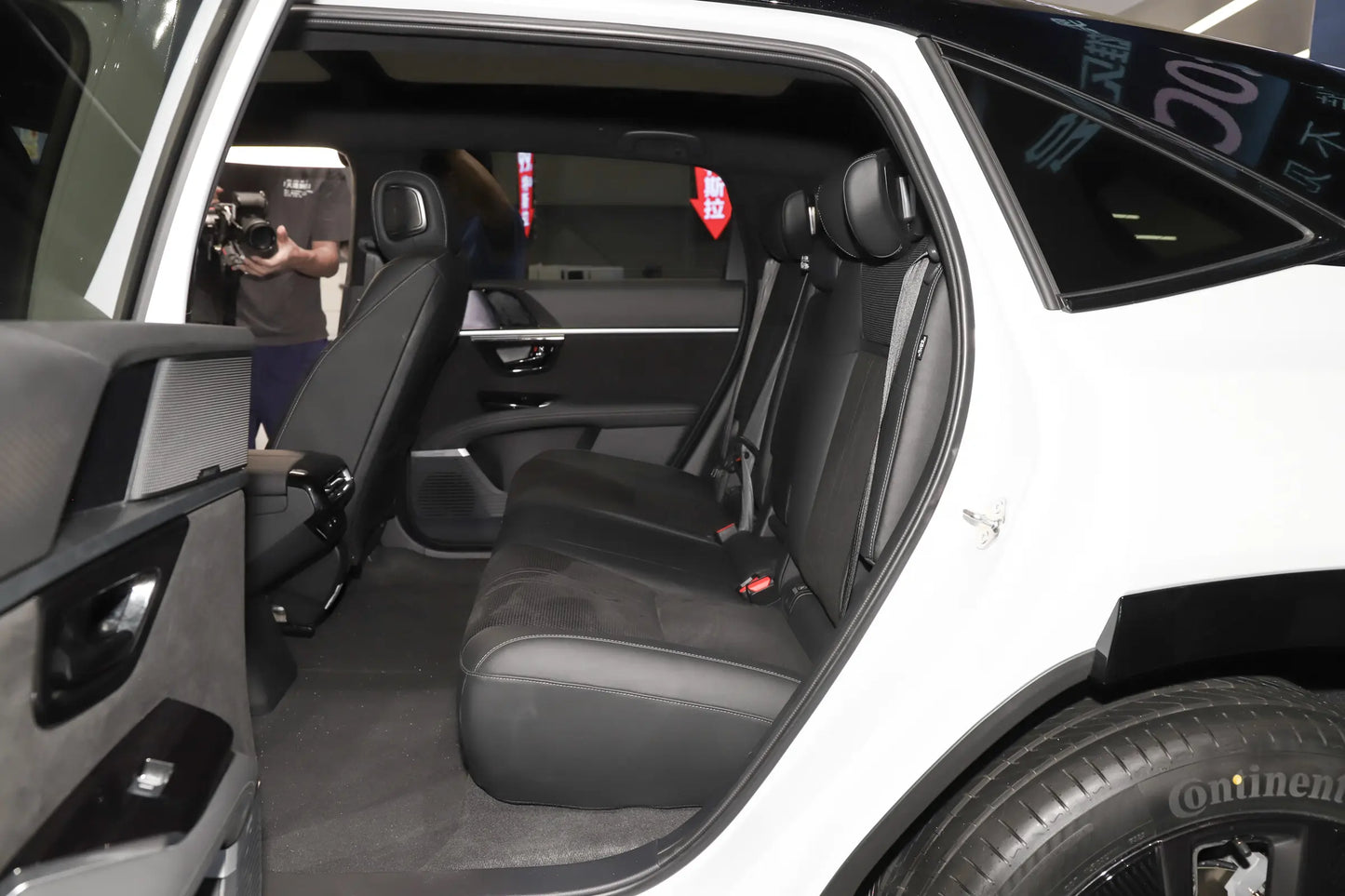
Spacious Cabin With Outstanding Space Efficiency: Despite a length of roughly 4.75 meters, the S7 provides generous rear-seat room. Both lateral and headroom exceed segment expectations, meeting the comfort needs of multi-scenario household use.
Please Note — Intelligent Features, Comfort Configurations & Value Perception
-
Conservative Intelligent Driving & Limited Infotainment Ecosystem: The entire lineup lacks LiDAR, and the infotainment system has limited functionality and ecosystem openness. As a result, its intelligent driving experience in complex urban environments still falls behind that of newer EV startups.
-
Missing Comfort Features in This Price Segment: The S7 does not offer seat ventilation, and its HUD displays limited information. In the mid-to-high-end EV SUV market, this may reduce its appeal to users who prioritize comprehensive comfort amenities.
-
Missing Comfort Features in This Price Segment: Positioned as a “high-quality-focused” product, the S7's configuration density and ADAS sophistication appear less aggressive compared with certain domestic brands in the 200,000-RMB segment, resulting in weaker perceived value for money.
Overview — Model Positioning, Range Options & Target Buyers
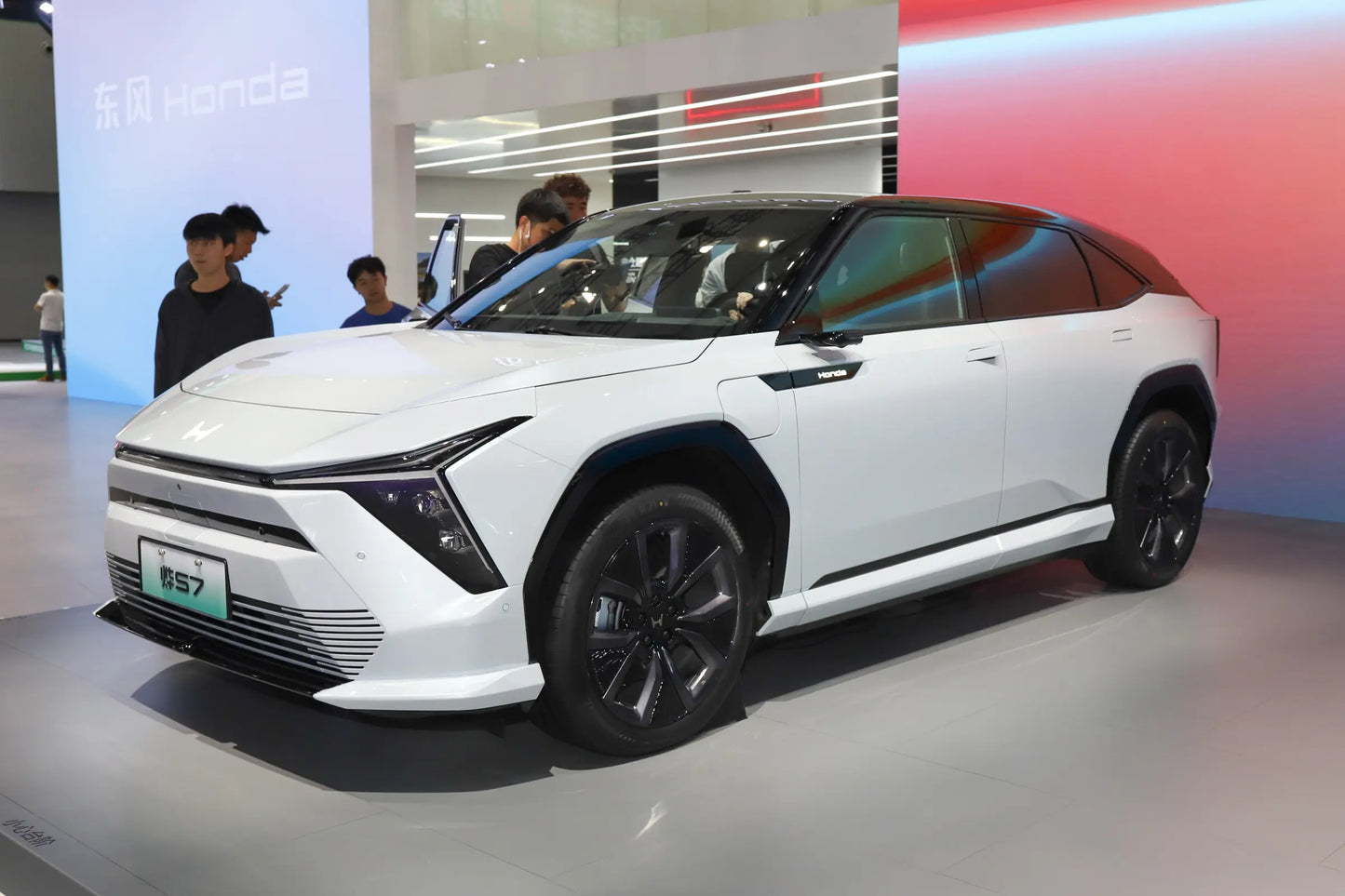
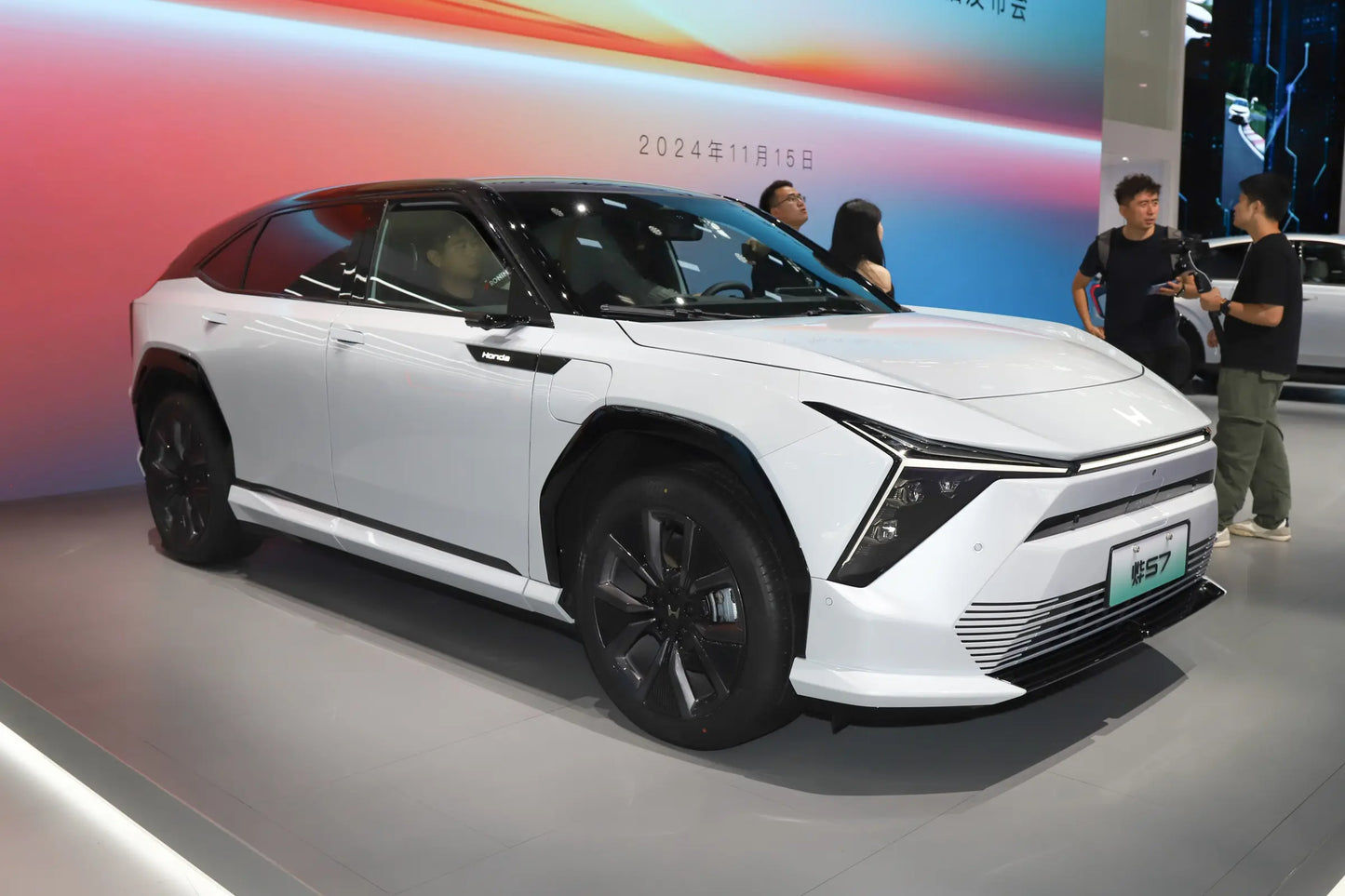
The Dongfeng Honda S7 is a mid-size all-electric SUV under the Dongfeng Honda joint-venture brand and serves as one of the core models in Honda's accelerated electrification strategy. Since its launch, the S7 has shown steady market growth and has gradually established solid competitiveness and consumer awareness within the joint-venture electric SUV segment.
The 2025 S7 is offered in 620 km and 650 km CLTC range variants, with an official MSRP ranging from approximately USD 21,414 to USD 28,557. These configurations address the diverse range needs of both family-use scenarios and urban commuting. The model primarily targets households that value joint-venture build quality, ride comfort, and overall product stability, as well as mainstream EV consumers who place strong emphasis on daily commuting range and safety.
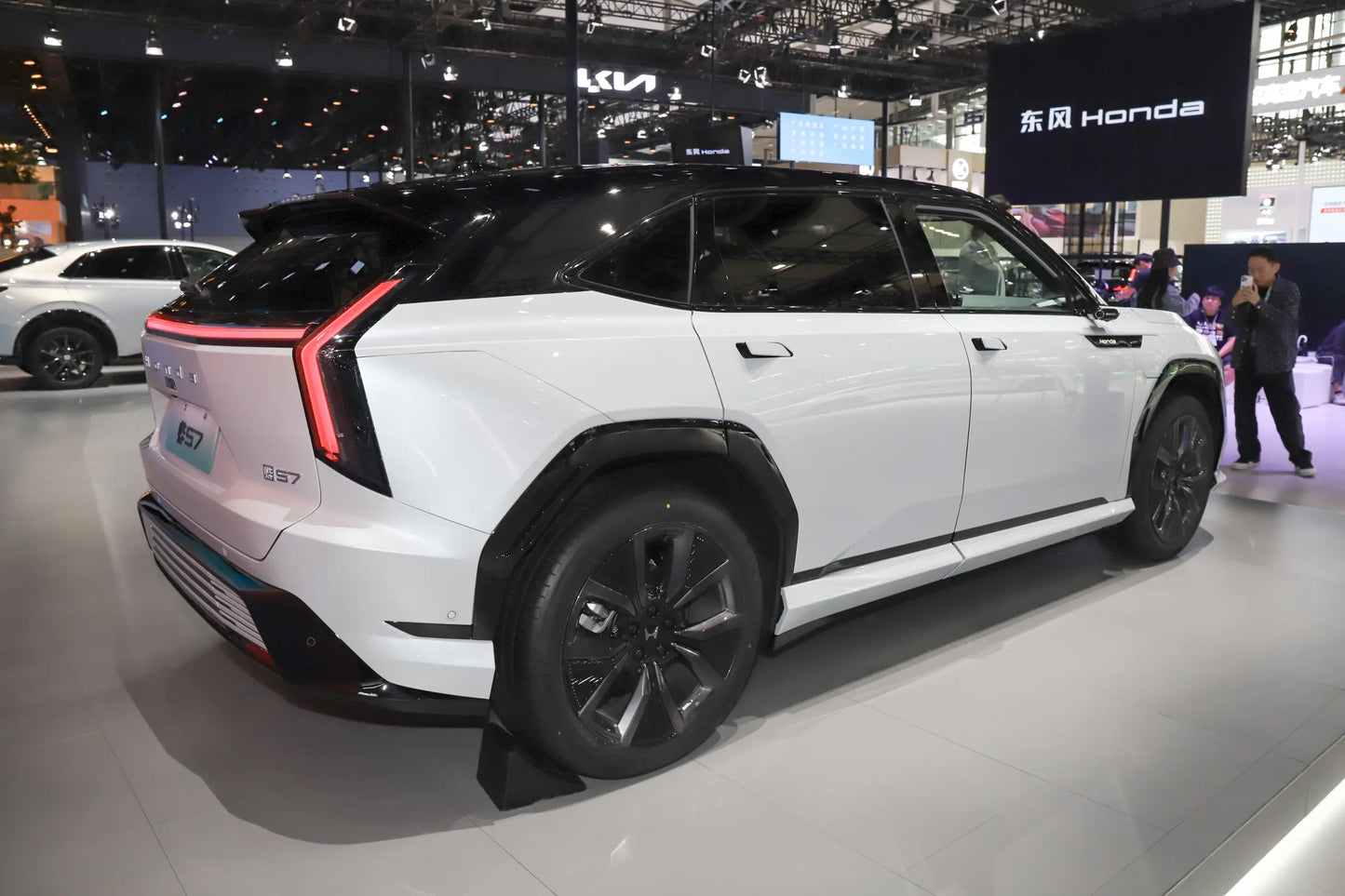
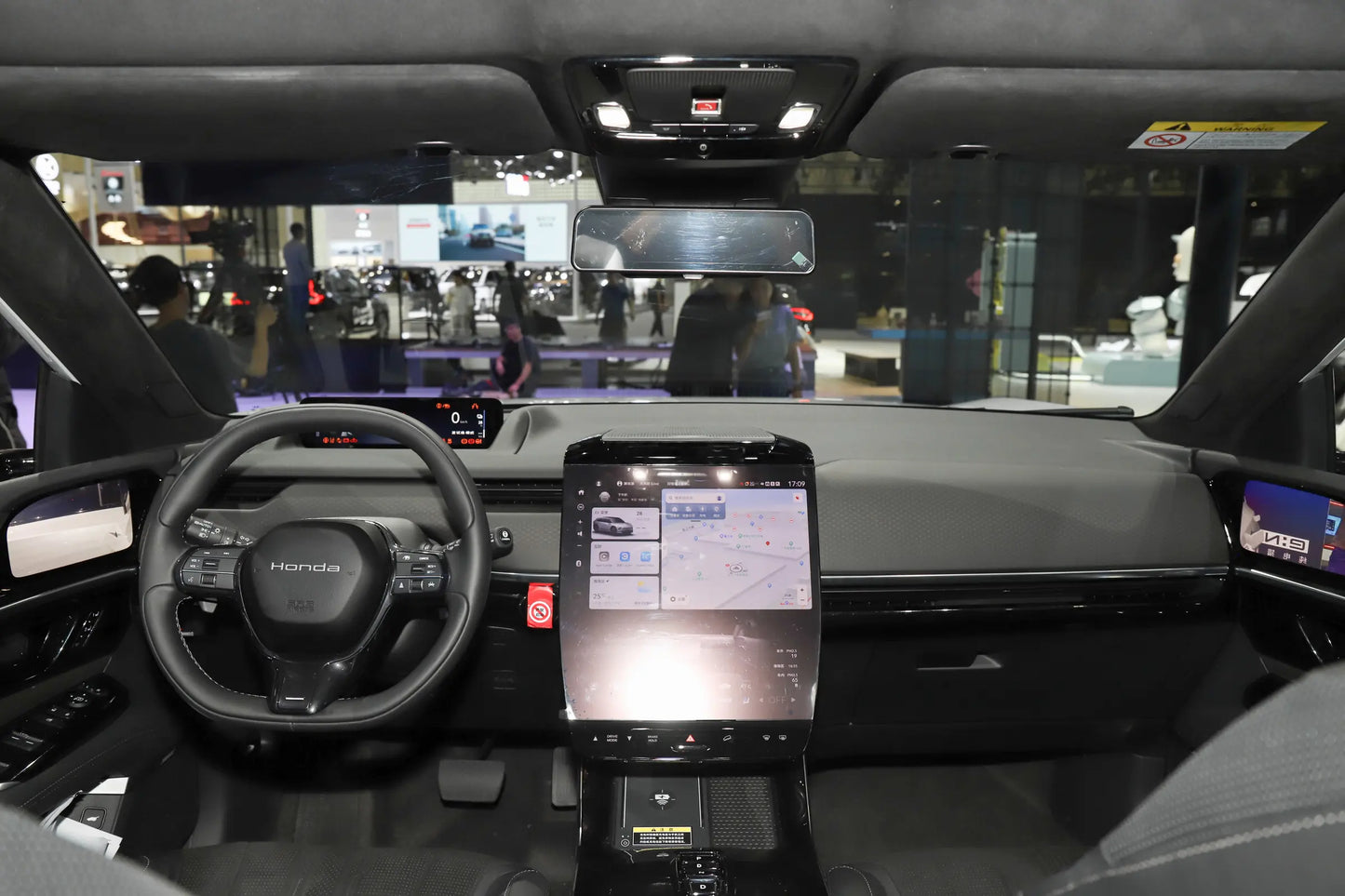
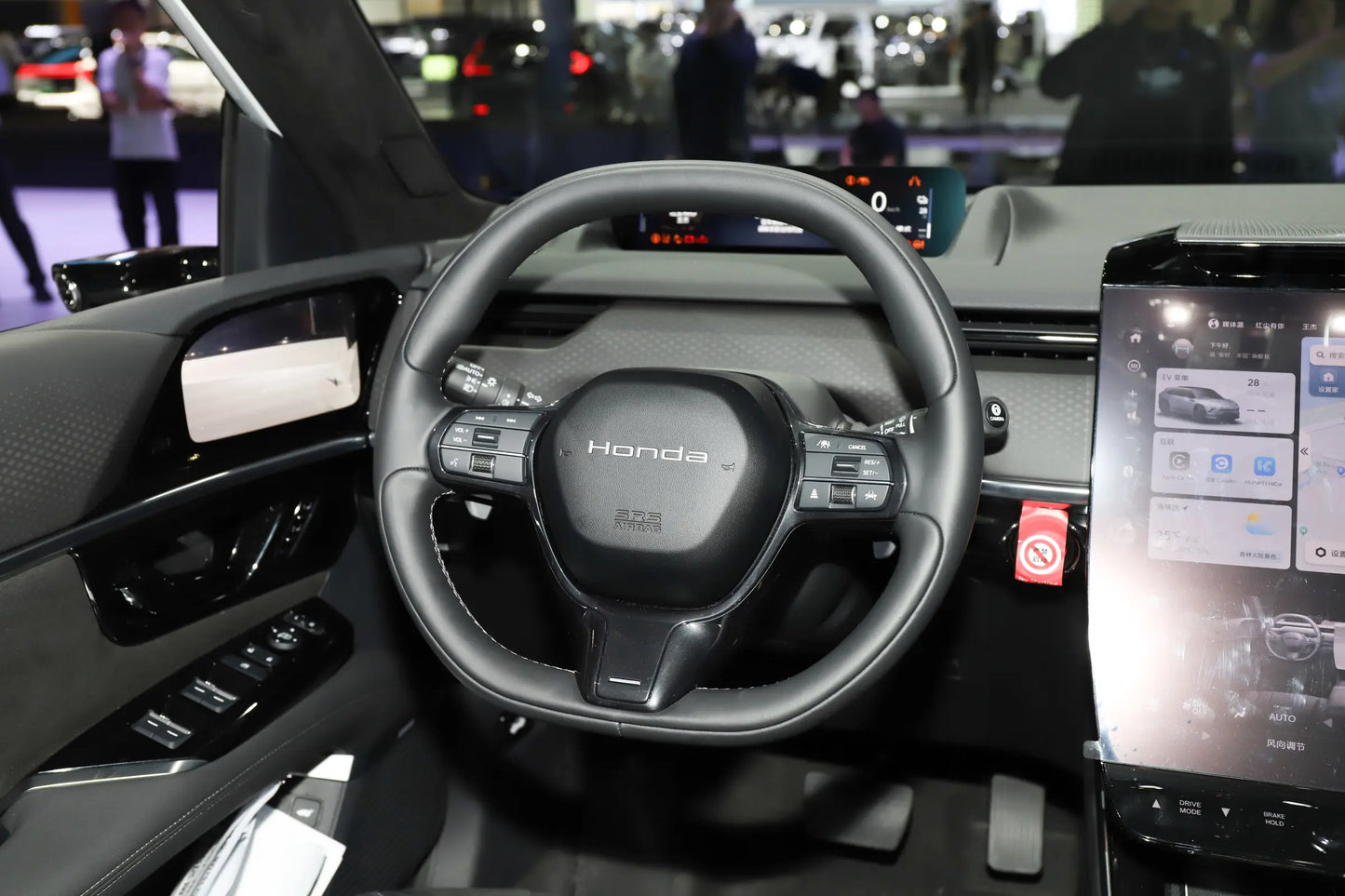
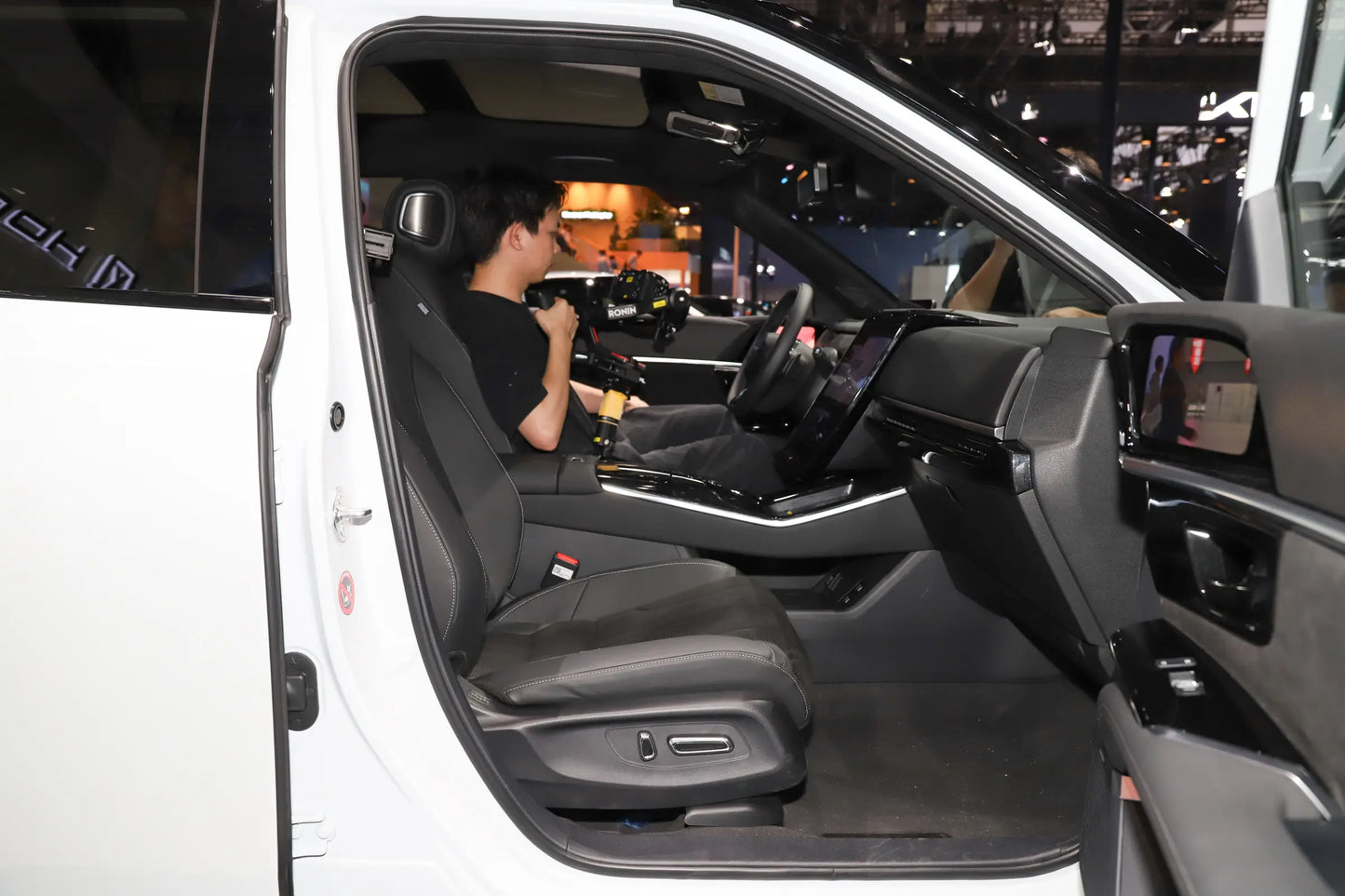
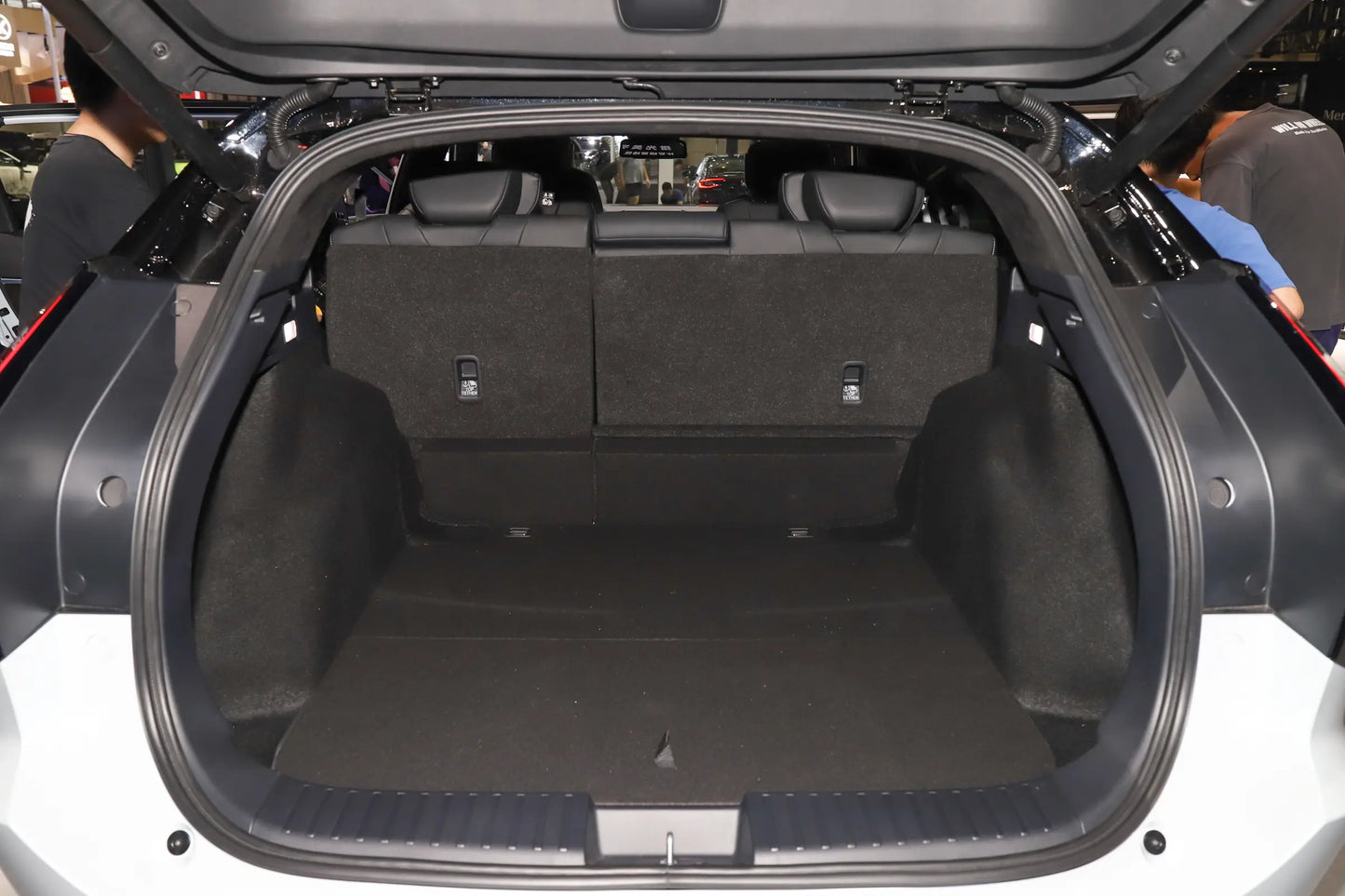
You can explore the vehicle's exterior and interior design in detail via:
Basic Information — Specifications, Battery, Consumption & Dimensions
Configuration Details (Model, Battery, Range, Charging)
Model: Dongfeng Honda S7 2025 650km Pioneer Edition
Driving Range (km) (CLTC): 650
Driving Range (km) (WLTP): 553 (Reference: EV Range Converter)
Charging Time (hours): Fast charging 0.6 h / Slow charging 13.3 h
100km Power Consumption (kWh/100km): 14.6
Battery Capacity (kWh): 89.8
Maximum Speed (km/h): 180
Vehicle Dimensions (mm): 4750 × 1930 × 1625
Maintenance, Warranty & Manufacturer Services
Charging Cost Based on the average Global residential electricity price of USD 0.17 kWh (Global Petrol Prices, 2025), the 2024 Fengxing Thunderbolt 410 consumes approximately 14.6kWh per 100 kilometers, with a charging cost of approximately $2.48 per 100 kilometers
Maintenance Cost The average annual maintenance cost of an electric vehicle is approximately 30%–40% of that of a gasoline vehicle.
Manufacturer Services The vehicle comes with a 6-year or 150,000-km comprehensive warranty (DCAR, 2025).
Global EV Policy Examples
| Examples | |
| Germany | Motor tax exemption for EVs with less than 50g CO2/km emissions or at least 60km range (80km from 2025) until 2030. Privileges for electric cars on German roads, e.g. car parking and bus lane use. (Government of Germany, 2012) |
| Switzerland | Legislative revision including support for recharging stations, an extension of tax exemptions for electric and hydrogen trucks until 2030. (Swiss Federal Government, 2023) |
| Thailand | Tax reductions and exemptions for EVs to promote their deployment (Government of Thailand, 2022) |
| United Kingdom | ZEV mandate: 80% of new cars and 70% of new vans sold in Great Britain will be zero emission by 2030, increasing to 100% by 2035. Around 300 000 public chargers expected as a minimum by 2030 (Government of the United Kingdom, 2023) |
| United States | Alternative Fuel Vehicle Refueling Property Credit offers tax credits up to 30% (up to USD 1 000 for residences or up to USD 100 000 for business) for the installation of alternative fuelling equipment in low-income communities or non-urban areas (Government of the United States, 2023) |
| Mexico | Signatory to COP26 ZEV Declaration to work towards all sales of new cars and vans being zero emission globally by 2040. (Government of Mexico, 2022) |
| United Arab Emirates | Increase EV charging stations to 10 000 in 2030 and 30 000 by 2050. (Government of Dubai, 2023) |
| Brazil | National Green Mobility and Innovation Program ("MOVER") (Government of Brazil, 2024) |
For more, please refer to Global EV Policy Explorer to check the EV policies in your location (Global EV Policy Explorer, 2025)
Competitive Comparison — S7 vs BYD Song L EV / XPeng G6 / Galaxy E8
We selected three pure electric models whose starting prices fall within USD 500 of the Dongfeng Honda e:NS S7 2025 650 km Explorer Edition (USD 21,414). Using official specifications for comparison, we found that the S7 stands out in energy efficiency, NVH performance, and lateral cabin comfort, making it a practical, well-balanced, and high-value option in the mid-to-large EV segment.
-
Range & Energy-Efficiency ComparisonThe 2025 S7 Explorer Edition provides a 650 km CLTC range, delivering a stable performance within its segment and adopting a “long-range–oriented” strategy. Compared with the BYD Song L EV (662 km), the S7 emphasizes range stability over absolute maximum figures. Versus the XPeng G6 (625 km) and Geely Galaxy E8 (575 km), the S7 offers a more balanced and anxiety-free experience for daily commuting and medium-distance travel.
-
Fast-Charging Performance ComparisonThe S7's fast-charging capability achieves 0.6 hours, placing it at the mainstream level among comparable models. In contrast, the XPeng G6 (0.2 hours) and Galaxy E8 (0.33 hours) benefit from high-voltage fast-charging architectures that deliver greater speed, while the Song L EV (0.42 hours) sits in the middle. Overall, the S7 adopts a stability-focused approach, sufficiently meeting weekday commuting and weekend charging needs.
-
Power & Acceleration Performance ComparisonWith a peak output of 200 kW, the S7 prioritizes comfort and smoothness, aligning with the needs of family users. By comparison, the Song L EV (230 kW), XPeng G6 (218 kW), and Galaxy E8 (250 kW) offer stronger acceleration and high-speed responsiveness. The S7 does not pursue extreme performance; instead, it emphasizes easy handling and ride comfort.
-
Cabin Space & Practicality ComparisonWith a body size of 4750 × 1930 × 1625 mm, the S7 performs well in lateral cabin room and headroom, making it suitable for family-oriented usage. Its cargo capacity of 471–1485 L surpasses that of the Galaxy E8 and approaches the Song L EV. Although slightly smaller than the XPeng G6 in absolute spatial terms, the S7 maintains competitive practicality within the segment.
-
Technology & Driver Assistance ComparisonThe S7 comes equipped with a rotating central display, 360-degree camera system, and an advanced driver-assistance suite. Its completeness of features surpasses that of the Avatr 06 (where certain functions require higher trims) and matches the Hongqi EH7, offering mature usability and stable system performance.
-
Comfort Features & Practical ConfigurationsStandard features include a 360-degree camera, intelligent driver-assistance functions, power seats, and one-touch power windows, giving the S7 a strong baseline configuration. Compared with the Galaxy E8's "intelligent-driving–focused" positioning and the XPeng G6's smart-cabin advantages, the S7 adopts a more conservative, stability-driven technology philosophy, making it highly suitable for families prioritizing reliability over aggressive software features.
Summary
Across range, cabin space, charging capability, comfort, and pricing, the Dongfeng Honda e:NS S7 positions itself as a long-range-focused, steady-performing, highly practical option among EV SUVs in this price bracket. While it falls short of the XPeng G6 and Galaxy E8 in fast-charging efficiency, peak performance, and advanced intelligent-driving features, the S7's stable real-world experience, balanced configuration, and joint-venture build quality provide it with a clear pragmatic value advantage.
| Model / Parameter | Dongfeng Honda S7 2025 650km Pioneer Edition | Song L EV 2025 662KM Beyond Edition | Xpeng G6 2025 625 Long Range Max Tech Edition | Galaxy E8 2025 575km Voyage Smart Driving Edition |
| Basic Infomation | ||||
| Driving Range (km)(CLTC) | 650 | 662 | 625 | 575 |
| Charging Time (hours) | Fast charge: 0.6h | Fast charge: 0.42h | Fast charge: 0.2h | Fast charge: 0.33h |
| Maximum Power (kW) | 200 | 230 | 218 | 250 |
| Maximum Torque (N·m) | 420 | 360 | 450 | 373 |
| Maximum Speed (km/h) | 180 | 201 | 202 | 210 |
| Body | ||||
| Vehicle Dimensions (mm) | 4750×1930×1625 | 4840×1950×1560 | 4758×1920×1650 | 5010×1920×1465 |
| Number of Seats (units) | 5 | 5 | 5 | 5 |
| Trunk Capacity (L) | 471-1485 | 410-1053 | 647-1752 | 465 |
| Battery | ||||
| 100km Power Consumption (kWh/100km) | 13.8 | 12.5 | 13.2 | 13.6 |
| Battery Capacity (kWh) | 57.8 | 49.06 | 74.4 | 58.8 |
| Additional Features | ||||
| Auto Hold | Standard Equipped | Standard Equipped | Standard Equipped | Standard Equipped |
| Driver Assistance Camera | Reverse Camera + 360° Surround View | Reverse Camera + 360° Surround View | ● Reverse Camera ● 360° Surround View ● Transparent View | ● Reverse Camera ● 360° Surround View ● Transparent View |
| Sunroof Type | Split Fixed Panoramic Sunroof | Fixed Panoramic Sunroof | Fixed Panoramic Sunroof | Fixed Panoramic Sunroof |
| Power Seats | Driver + Passenger Seats | Driver + Passenger Seats | Driver + Passenger Seats | Driver + Passenger Seats |
| Drive Mode Selection | ● Snow ● ECO ● Comfort; ● Sport | ● Sport ● Snow ● ECO ● Comfort | ● Sport ● ECO ● Comfort | ● Sport ● Custom ● ECO ● Comfort |
| Power Windows | Front + Rear (One-Touch Up/Down for All) | Front + Rear (One-Touch Up/Down for All) | Front + Rear (One-Touch Up/Down for All) | Front + Rear (One-Touch Up/Down for All) |
| Number of USB/Type-C Ports | 2 (Front) + 2 (Rear) | 2 (Front) + 2 (Rear) | 2 (Front) + 2 (Rear) | 2 (Front) + 2 (Rear) |
Data Source: (DCAR, 2025)
Real-World Review — Driving Feel, Chassis Performance & NVH
Advantages:
-
The S7 is equipped with an 89.8 kWh battery, offering 650 km CLTC range in the single-motor version and maintaining strong performance in low-temperature conditions. Combined with a high-strength body structure and multi-layer battery protection system, the S7 delivers both long-range capability and high safety, positioning it among the top performers within joint-venture electric SUVs.
-
A front double-wishbone and rear five-link suspension, 50:50 weight distribution, and ADS adaptive damping provide clear advantages in comfort, handling stability, and high-speed ride refinement. The chassis tuning reflects Honda's mature expertise in suspension engineering.
Areas for Improvement:
-
Although equipped with Honda CONNECT 4.0 and L2+ assistance, the S7 falls behind brands such as XPeng and Huawei in terms of human–machine interaction depth, ecosystem openness, and advanced autonomous-driving capabilities.
-
Within the 200,000-RMB EV SUV segment, the S7 leans toward a "high-quality" positioning. However, its perceived value-for-money is weaker compared with some domestic competitors offering more aggressive configurations.
Test review from internal and third-party testing:
-
At low speeds, the electric drivetrain is smooth and quiet, with linear throttle response. Assisted-driving functions perform with stable following behavior and clear logic, making the S7 highly user-friendly for daily commuting.
-
Mid-to-high-speed acceleration reserves are adequate, and the chassis remains solid and composed. NVH performance is excellent, with strong cabin quietness and comfort during cruising, reducing fatigue on long trips.
Real User Reviews — Owner Feedback Summary (DCAR 2025)
In 2025, we conducted a systematic review and qualitative analysis of real user feedback from the DCAR automotive forum. Based on 19 high-frequency user feedback tags, we extracted 15 positive and 13 negative dimensions. These findings reflect user perceptions across driving experience, chassis tuning, interior space, range performance, and configuration practicality (DCAR, 2025).
Positive Feedback — Space, Smooth Tuning & Comfort
Efficient space utilization
Summary: Despite a 4.75-meter body length, the S7 offers a spacious rear cabin with high overall comfort.
Smooth braking and acceleration tuning
Summary: Brake pedal feel resembles that of gasoline vehicles, with no nose-dive or dead travel; acceleration is responsive.
Negative Feedback — Comfort Missing, Limited HUD & Weak Intelligence
Missing comfort features
Summary: For a model positioned in the mid-to-high-end segment, the absence of seat ventilation is disappointing, and HUD information is limited.
Conservative intelligent-driving capability
Summary: The infotainment system has limited functionality and data support, and the absence of LiDAR across all trims restricts performance in complex urban environments.
References
DCAR (2025). DCAR. Retrieved from https://www.dongchedi.com/auto/series/20041
EV Range converter (2025). EV Range converter. Retrieved from https://ev-range-standard-converter.web.app/
Global EV Policy Explorer (2025). Explore key policies and measures for EV deployment. Retrieved from https://www.iea.org/data-and-statistics/data-tools/global-ev-policy-explorer?utm_source=chatgpt.com
Global Petrol Prices (2025). World Average Electricity Prices, USD / kWh. Retrieved from https://www.globalpetrolprices.com/electricity_prices/